Tips for Creating a Relaxing Home Office Environment
Creating a relaxing home office environment is essential for maintaining focus, reducing stress, and enhancing your overall work-from-home experience. Whether you work remotely full-time or occasionally, your workspace plays a significant role in your productivity and well-being. In this post, we’ll share practical tips to help you design a home office that feels inviting, comfortable, and calm.
Why a Relaxing Home Office Matters
A cluttered or uncomfortable workspace can lead to distractions, fatigue, and decreased motivation. On the other hand, a well-organized and soothing environment helps you stay focused and makes long work hours more pleasant. Small adjustments to your home office can make a big difference in how you feel throughout the day.
Choose the Right Location
Consider Natural Light
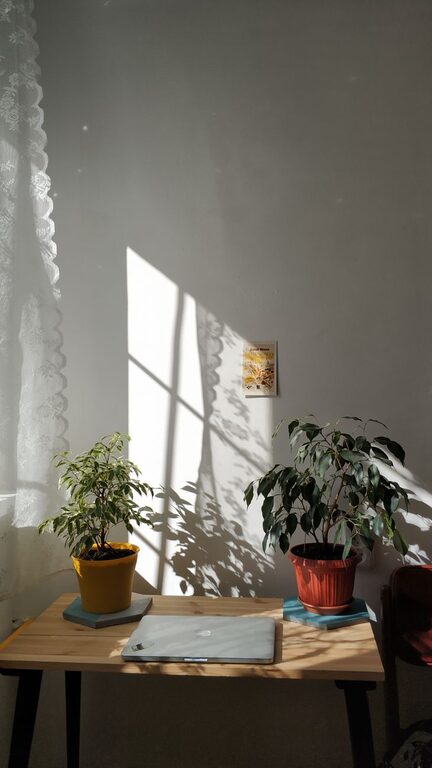
Try to set up your home office in a room or corner that receives plenty of natural light. Sunlight helps regulate your circadian rhythm, boosts mood, and reduces eye strain. If natural light is limited, consider using full-spectrum or daylight-balanced bulbs to mimic natural sunlight.
Avoid High-Traffic Areas
Pick a spot that is relatively quiet and free from frequent interruptions. Avoid placing your desk near busy hallways or noisy appliances when possible. If you don’t have a separate room, using a room divider or noise-canceling headphones can help create a sense of separation.
Invest in Comfortable, Functional Furniture
Ergonomic Chair and Desk
A supportive chair that encourages proper posture is key to avoiding discomfort during long working hours. Look for adjustable chairs with lumbar support. Pair it with a desk that fits your space and needs—whether it’s a standing desk option or a traditional desk with enough surface area for your equipment.
Keep Your Desk Organized
Use organizers, trays, or drawers to keep your desk neat and clutter-free. A clean surface helps reduce distractions and gives you room to focus on tasks. Regularly declutter your workspace to maintain a pleasant environment.
Incorporate Calming Colors and Decor
Choose Soothing Colors
Colors like soft blues, greens, and neutrals are known to have calming effects. Painting your walls or adding accessories in these shades can create a more peaceful atmosphere.
Add Personal Touches
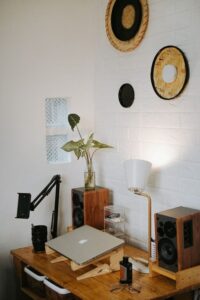
Include items that inspire and relax you, such as plants, artwork, or photos. Indoor plants not only brighten the space but also improve air quality and reduce stress.
Manage Lighting Effectively
Layer Your Lighting
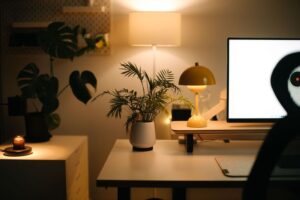
Combine ambient lighting with task lighting to create a balanced setup. A desk lamp with adjustable brightness helps reduce eye strain while allowing you to direct light where you need it most.
Reduce Glare
Position your monitor perpendicular to windows if possible, or use adjustable blinds to control glare. Glare can cause headaches and make it difficult to see your screen clearly.
Minimize Noise and Distractions
Soundproofing Tips
If noise is an issue, try placing rugs, curtains, or soft furnishings to absorb sound. Adding bookshelves or acoustic panels can also help. For persistent background noise, white noise machines or apps can create a consistent, soothing sound environment.
Digital Distractions
Turn off unnecessary notifications and use apps that block distracting websites during work hours. Setting boundaries around social media and other non-work-related activities supports focus.
Keep the Space Fresh and Well-Ventilated
Good air quality is often overlooked but plays a big role in comfort and alertness. Open windows when possible, or use air purifiers to keep the air clean. A fresh-smelling and well-ventilated room helps you feel energized and ready to work.
Establish a Routine and Boundaries
Set Work Hours
Having clear start and finish times can help your brain recognize when it’s time to work and when it’s time to relax. This routine supports mental well-being and prevents burnout.
Take Breaks
Incorporate regular breaks to stretch, move around, or step outside for fresh air. Short breaks improve focus and reduce fatigue.
Final Thoughts
Creating a relaxing home office environment doesn’t have to be complicated or expensive. Focus on comfort, organization, and personalization to build a space that supports your productivity and well-being. Small changes like adding greenery, optimizing lighting, and choosing the right furniture can transform your workspace into a calming retreat you look forward to spending time in.